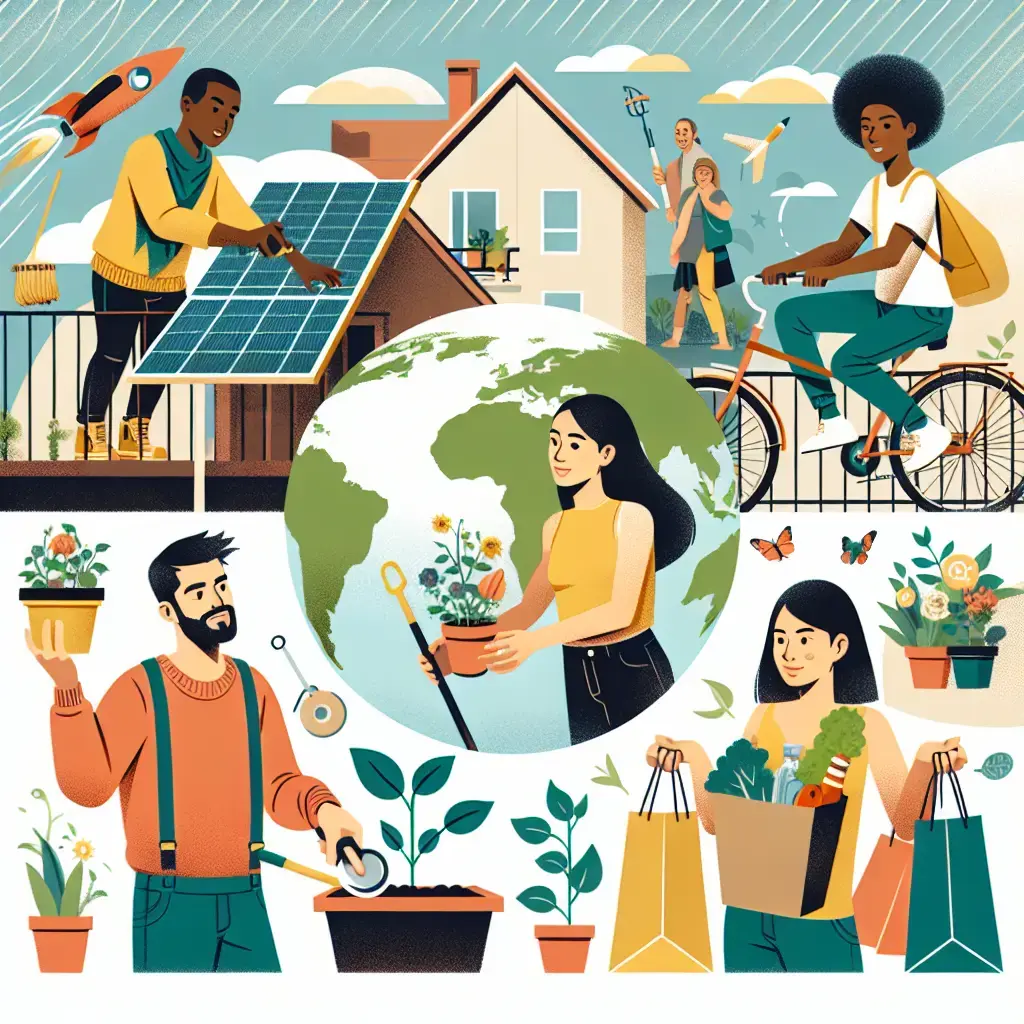
Understanding Millennials and Their Impact on Sustainable Living Practices
Millennials, a generation born between 1981 and 1996, are redefining sustainability through their eco-conscious choices and actions. As they become the largest demographic in the workforce, their influence on sustainable living practices has grown substantially. In recent years, Millennials have demonstrated an exceptional commitment to sustainability, evident in their adoption of green living practices and their role in propelling sustainable lifestyle trends. But what exactly drives Millennials to lead this charge towards environmental consciousness? Let's delve into this generational phenomenon.
Millennials and Eco-Friendly Practices
A key characteristic of Millennials is their dedication to eco-friendly practices. From choosing organic products to advocating for corporate social responsibility, this generation's consumer behavior often reflects their values. According to a study by Nielsen, 73% of Millennials are willing to pay more for sustainable products, underscoring their significant impact on sustainability. This willingness has led industries, such as fashion, to shift towards sustainable production methods. Brands are now adopting practices like recycling materials and ensuring fair labor conditions to meet Millennial demand.
The Zero Waste Movement: A Millennial-Led Initiative
One of the most vibrant movements championed by Millennials is the zero waste movement. This initiative aims to minimize waste through conscientious consumption and efficient recycling methods. Millennials utilize platforms like social media to share innovative tips on reducing waste in everyday life. The rise of refillable product options and packaging-free stores has gained traction largely due to Millennial support, sparking broader discussions on waste management policies.
Millennials and Renewable Energy Adoption
In the realm of energy consumption, Millennials are driving significant changes by advocating for and adopting renewable energy solutions. Their efforts extend beyond personal habits as they actively influence market trends and encourage businesses to invest in greener alternatives. For example, community solar projects have gained popularity among Millennials seeking renewable energy sources without individual installations, demonstrating their profound impact on sustainability.
Climate Action: Millennials Leading Sustainable Change
Millennials' involvement in climate action further testifies to their commitment to sustainability. They are vocal advocates for policy changes addressing climate change and environmental protection. Through grassroots campaigns and participation in global climate strikes, Millennials have shown that they are not just passive observers but active participants in shaping a sustainable future. According to a report by the Pew Research Center, Millennials are more likely than other generations to view climate change as a major threat, fueling their drive for legislative changes that promote green initiatives.
Sustainable Habits of Millennials: Beyond Personal Choices
Millennials' sustainable habits extend beyond personal choices; they aim to foster a broader cultural shift. Their influence is evident across various sectors, from fashion to technology, where sustainable practices are becoming mainstream. Companies aligning with Millennial values benefit from brand loyalty and increased consumer engagement, as highlighted in mission statements emphasizing commitments to sustainability.
Challenges and Opportunities: The Path Forward
Despite these strides, challenges remain. Historical inequities, such as those faced by marginalized communities, can hinder economic prospects and equitable sustainability goals. Addressing these disparities is crucial for achieving comprehensive sustainability. Moreover, technological advancements present both opportunities and challenges. As we navigate a tech-dependent world, Millennials are well-positioned to lead transitions by advocating for innovations that balance technological progress with environmental responsibility.
Conclusion: Embracing Millennial-Led Sustainability
Millennials are undeniably at the forefront of driving sustainable living practices. Their influence spans various sectors, reshaping how society approaches sustainability through:
- Eco-Friendly Practices: By pushing industries like fashion to adopt ethical production methods.
- Zero Waste Movement: Championing initiatives that promote conscientious consumption.
- Renewable Energy: Advocating for renewable solutions and influencing market trends.
- Climate Action: Actively engaging in policy advocacy and global climate movements.
- Cultural Shift: Fostering broader cultural changes and aligning companies with eco-conscious values.
Despite challenges posed by historical inequities and a tech-dependent world, Millennials continue to push for a sustainable future. Their dedication highlights the importance of balancing technological advancement with environmental responsibility.
As we reflect on the impact of Millennials on sustainability, it's clear that their legacy is one of environmental stewardship and innovation. Their efforts set a powerful example for future generations, ensuring that sustainability becomes an integral part of our societal framework.
As we move forward, let's consider how we can contribute to this evolving landscape of sustainability. Share your experiences or insights on how Millennials have influenced your approach to sustainable living. Engaging in this dialogue not only fosters awareness but also encourages collective action towards a more sustainable world.
Thank you for exploring the profound impact of Millennials on sustainability with me. Together, let's continue to champion eco-conscious living and create a brighter future for all.
Author: Nathaniel Roberts