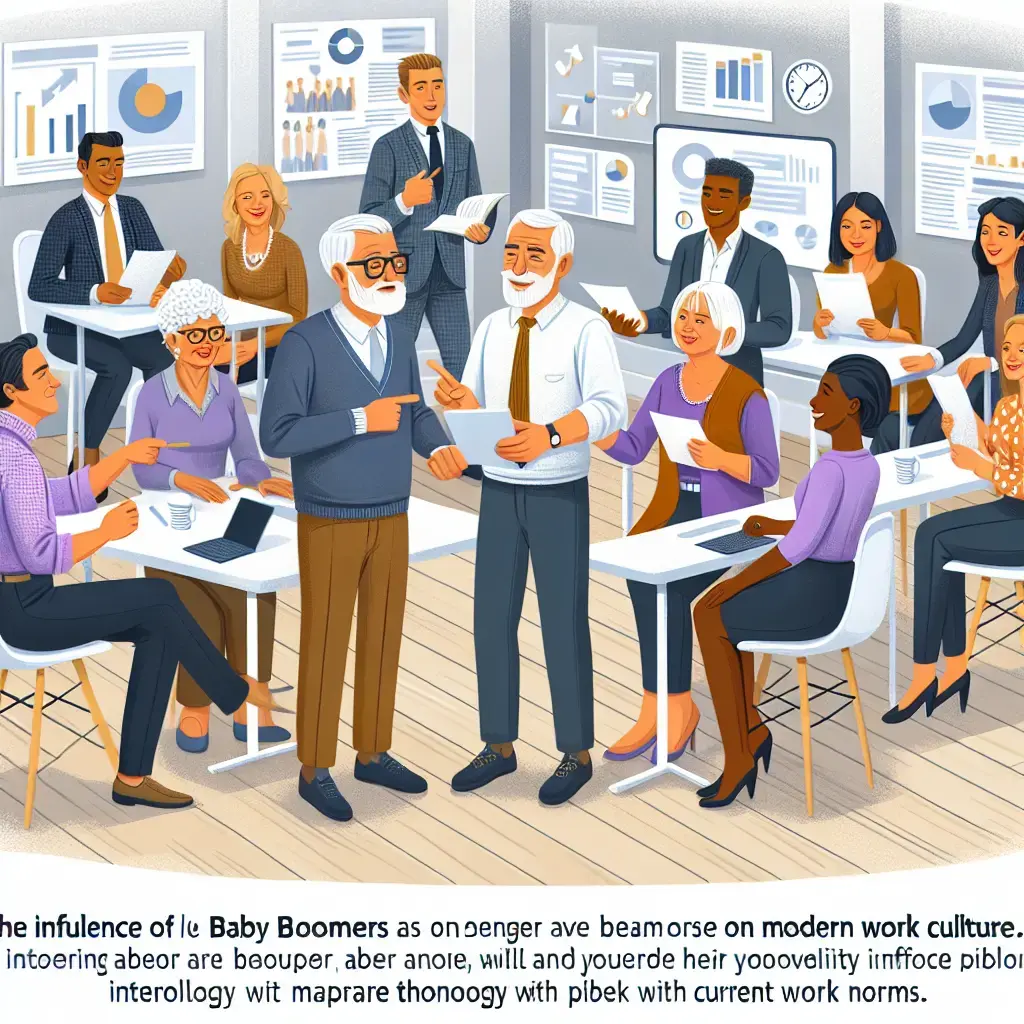
In the ever-evolving landscape of modern work culture, the impact of Baby Boomers is both significant and enduring. As one of the largest generational cohorts in history, Baby Boomers have played a pivotal role in shaping workplace trends and dynamics. Their influence is evident in the values and ethics that permeate today’s work environment, cultivated during decades of innovation and adaptation. From the steadfast Baby Boomer work ethics that emphasize loyalty and hard work to their adaptable management styles, this generation has left an indelible mark on how we perceive and engage with work.
Baby Boomer Work Ethics and Generational Differences
The steadfast work ethics of Baby Boomers, characterized by loyalty, dedication, and a strong work ethic, have significantly influenced today's workplace values. Their commitment to hard work has set a precedent for subsequent generations. This influence is evident in how organizations prioritize work quality and employee loyalty. For example, Microsoft's Bill Gates, a prominent figure from this generation, has often expressed admiration for the charisma and dedication of his contemporaries, such as Steve Jobs. In a recent book about Gates' life, it is revealed that he envied Jobs' ability to capture an audience, showcasing how even within a generation, diverse skills were appreciated and sought after.
Technological Adaptation and Workforce Evolution
Baby Boomers have shown remarkable adaptability to technological advancements, a trait that has ensured their continued relevance in a rapidly changing world. This adaptability is not just a personal achievement but a crucial element of workforce evolution. As noted in the retrospective on Apple's journey to watchOS 11, Baby Boomers were part of the workforce that witnessed the shift from an Orwellian dystopia to groundbreaking technological innovations. Their ability to embrace change has inspired subsequent generations to be more open to technological shifts, fostering an environment of continuous learning and adaptation.
The Aging Workforce and Intergenerational Dynamics
As Baby Boomers approach retirement, the workforce is experiencing significant changes in generational workforce dynamics. This transition has led to an increase in workplace diversity, bringing together various age groups with different perspectives. Such diversity is crucial for fostering innovation and collaboration. The gradual exit of Baby Boomers from the workforce creates opportunities for younger generations to step into leadership roles while learning from the legacy of their predecessors. This shift emphasizes the importance of intergenerational workforce dynamics, where experienced Baby Boomers mentor younger employees, creating a symbiotic relationship that benefits both parties.
Impact on Workplace Diversity and Work Culture Shift
The Baby Boomer legacy extends beyond individual contributions; it includes shaping industries and influencing workplace diversity. As organizations become more diverse, they reflect broader societal changes initiated during the Baby Boomers' prime working years. This diversity is not just about age but also about embracing different cultural backgrounds and perspectives. As highlighted in discussions about racial economic disparities stemming from historical injustices like lynchings, Baby Boomers played a role in advocating for more inclusive workplaces. Their efforts have paved the way for a more equitable work culture that values diversity and inclusion as fundamental principles.
Redefining Work-Life Balance
Baby Boomers have also been instrumental in redefining work-life balance, setting a benchmark for future generations. Their pursuit of balance between professional commitments and personal life has influenced organizational policies today. The concept of work-life balance has evolved over the years, but its roots can be traced back to the Baby Boomer generation's desire for fulfillment beyond the workplace. This shift is evident in how companies now prioritize employee well-being and flexible work arrangements as part of their corporate culture.
Contributions to Industry and Innovation
The contributions of Baby Boomers extend across various industries, leaving a lasting impact on modern work culture. They were at the forefront of technological advancements that reshaped industries. A noteworthy example is Vannevar Bush, whose legacy was recently commemorated on the 50th anniversary of his passing. Bush's work in engineering and technology laid the foundation for many innovations that continue to influence our world today. The innovative spirit of Baby Boomers has inspired successive generations to pursue creativity and excellence in their respective fields.
Navigating Challenges and Opportunities
As we navigate the challenges and opportunities arising from the Baby Boomer retirement wave, organizations must address potential skill gaps and ensure knowledge transfer between generations. This transition offers a unique opportunity to blend the experience of Baby Boomers with the fresh perspectives of younger workers. By fostering collaboration and mentorship programs, companies can harness the strengths of each generation, driving productivity and innovation.
Conclusion: Embracing the Legacy of Baby Boomers in Modern Work Culture
The enduring influence of Baby Boomers on today's work culture is profound and multifaceted. As we reflect on their contributions, several critical aspects stand out:
Work Ethics and Generational Impact: Baby Boomers' steadfast dedication and loyalty have set a standard for work quality and employee commitment, influencing how organizations value these traits today.
Technological Adaptation: Their remarkable adaptability to technological changes has not only kept them relevant but also paved the way for a culture of continuous learning and innovation.
Intergenerational Dynamics: The aging Baby Boomer workforce has ushered in a new era of diversity, fostering collaboration and mentorship between different age groups, which is essential for innovation.
Workplace Diversity and Inclusion: This generation's advocacy for inclusive work environments has significantly shaped more equitable workplace cultures that prioritize diversity.
Redefining Work-Life Balance: Baby Boomers' pursuit of personal fulfillment beyond professional commitments has influenced modern policies that emphasize employee well-being and flexible work arrangements.
Contributions to Industry and Innovation: Their pioneering spirit across various industries continues to inspire creativity and excellence in successive generations.
As we continue to navigate the transitions within the workforce, it's crucial to leverage the experiences and insights of Baby Boomers while embracing the fresh perspectives brought by younger generations. By fostering environments that encourage mentorship, collaboration, and innovation, we can ensure a productive and harmonious workplace for all.
I invite you to share your thoughts on how Baby Boomers have influenced your work environment or how your organization is adapting to these generational shifts. Let's continue this dialogue and learn from one another's experiences to enrich our collective journey toward a more inclusive and innovative future.
Author: Nathaniel Roberts